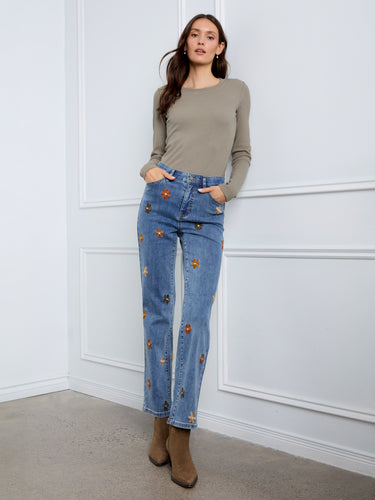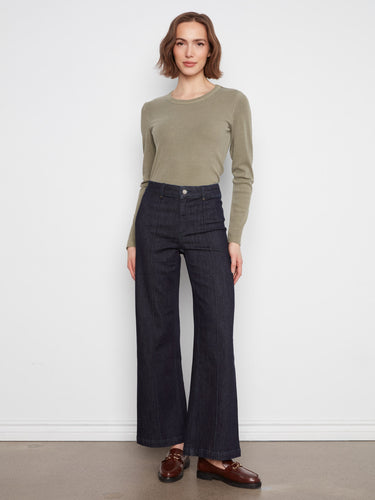


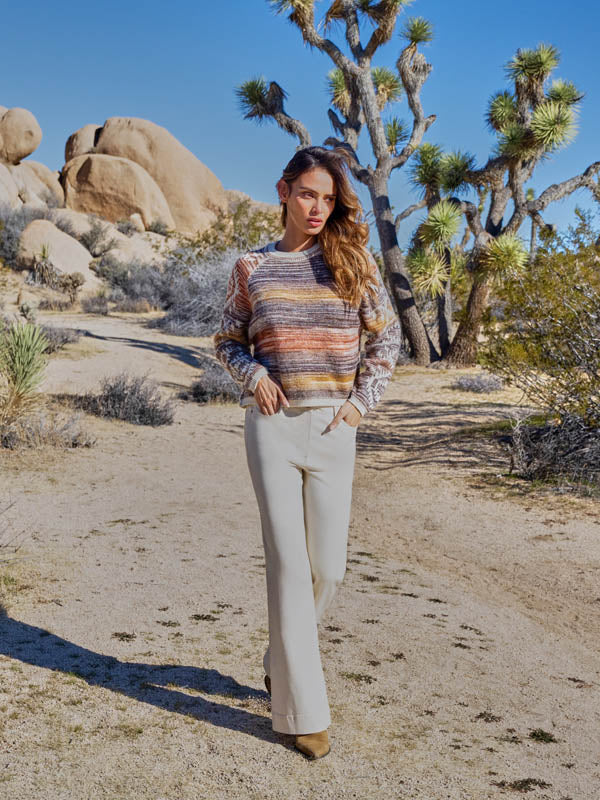



Shopping for pants should be easy, right? But anyone who’s tried on a dozen pairs just to find one that actually fits knows it’s anything but. Maybe the waist fits, but the hips don’t, or you finally get a pair that feels great on your hips, but suddenly there’s a giant gap at the back. Most brands make pants for some imaginary “average,” and real bodies rarely fit that mold.
That’s why you see so many people searching for the best pants for their body type—apple, pear, petite, you name it. The truth is, the right rise, leg shape, fabric, and length totally change how pants look and feel.
This guide is all about making sense of fit, not following strict fashion rules. You’ll figure out your body type, see which pant details usually work well, spot what to watch out for, and learn how to cut down on all those annoying try-ons or returns. Let’s make shopping for pants a lot less painful.
How to Identify Your Body Type (and Why It Matters for Pants)
Body types aren’t about putting yourself in a box. They just help you figure out where your body naturally has more shape, which matters a lot when you’re hunting for the right pair of pants.
To get a feel for your shape, look at your shoulders, waist, and hips. If your middle carries most of the weight and there’s not much waist definition, you’re probably closer to an apple shape. If your hips and thighs are the widest part, you’re a leaning pear. And if you’re under 5'4" or always dealing with pants that are too long or weird at the knees, petite styles are probably made for you.
Most pants problems boil down to a few things. The rise decides where the waistband hits and how the pants stay up. Inseam length determines if your pants look cropped, hit the floor, or bunch up around your ankles. The fabric changes how structured or comfy they feel. Details like pockets and seams can shift how pants actually sit on your body.
Once you get the hang of these basics, finding the right pants gets a lot easier.
Best Pants for Apple Shapes (and What to Be Cautious With)
If you have an apple body shape, comfort around your middle usually tops the list. You’re not trying to hide anything—you just want pants that sit smoothly and actually feel good all day.
Most people with apple shapes reach for mid-rise or high-rise pants, as long as the waistband’s designed right. A high rise can feel more secure because it sits closer to your natural waist rather than cutting across your belly. Still, it’s personal. If high-rise feels too tight, a well-structured mid-rise does the trick.
The shape of the legs really matters, too. Straight-leg pants are a go-to because they don’t cling and just look clean from hip to hem. Bootcut pants add a little volume below the knee, which helps balance your torso. Wide-leg styles work when the fabric’s got some weight, so they drape instead of sticking to you.
Pay attention to the front of the pants. Smooth, flat fronts usually feel and look better than pants with bulky pleats or heavy pockets. Super low-rise styles can be uncomfortable, and flimsy fabrics don’t give much support.
Styling makes a difference, too. Try pairing straight-leg or bootcut pants with longer tops, soft layers, or a structured jacket. It adds balance without any fuss.
What Are The Best Pants for Pear Shapes?
If you’ve got a pear-shaped body, you probably know the struggle: pants that fit your hips and thighs usually gap at the waist, and ones that fit your waist end up squeezing everything below. The trick is all about the rise, the fabric, and some clever design details.
Mid-rise and high-rise pants usually feel the most comfortable. They hit right at the narrowest part of your waist, so they actually stay put. A contoured waistband helps too — it hugs your curves instead of fighting them.
Now, when it comes to the legs, this is where pear shapes can really have some fun. Straight-leg pants are always a solid bet, easy to style and flattering. Bootcut pants balance things out with that slight flare at the bottom. If you want to go bold, try wide-leg or flared styles, but pick fabrics that float over your shape rather than cling to every curve.
Color and details matter more than you’d think. Dark washes or all-over solid colors give you that long, smooth look. On the other hand, distressed denim, big flap pockets, or flashy side stripes pull the eye right to your hips and thighs. There’s nothing wrong with that — it just depends on what you want to highlight.
If you’re a fan of bold details, try adding them up top with a fun jacket, a statement necklace, or a bright shirt. It draws the eye upward and keeps your outfit balanced.
Best Pants for Petite Women (Fit Rules That Matter Most)

Shopping for petite pants isn’t just about picking a smaller size—it’s all about nailing the right proportions. It’s not only the height that changes. The inseam is shorter, and the knees and hips sit a bit higher, too.
Length really makes the difference. Pants that hit at the ankle and show a bit of skin always look sharp and intentional. Full-length pants work, too, as long as the hem skims the top of your shoe—anything longer starts to drag and look sloppy. Cropped pants can be great, but they flatter most when they stop above the widest part of your calf, not right at it.
The rise matters, too. High-rise pants can make your legs look longer since they sit higher on your waist, but go with what feels good. If a high waist feels off, try a mid-rise with a sleek fit—you’ll still get a clean, balanced look.
Certain styles just work better for petites. Straight-leg, slim-straight, and full-length wide-legs usually look great. Wide-leg pants look best when they’re long and flowy, not short and blocky.
One thing to watch out for: too much fabric or thick cuffs can swamp a smaller frame. Heavy bunching at the ankle just doesn’t do any favors. So, pay attention to the fabric and make sure the hem hits at a flattering spot. That makes all the difference.
A Universal Fit Checklist Before You Buy
Finding the right pants isn’t about size or body type—it’s about a few quick checks that make all the difference. First, sit down. If the waistband digs in or slips down, they just won't work. Stand up, walk around. Are you tugging at the waistband or hiking them up every few steps? That’s a red flag.
Now, check the hem. If the pants break cleanly at your ankle or over your shoe, they usually look sharper. If there’s a bunch of fabric pooling on your shoes, it only works if you’re after that look on purpose.
Don’t get too hung up on brand names. Fabric is what really counts. Structured fabrics give you crisp, clean lines. Stretch fabrics bring comfort. Honestly, the best pairs usually mix both—structure for shape, stretch for ease.
Look at the little things: pocket placement, pleats, and front details totally change the fit and look. Flat fronts feel sleek. Pleats offer more space but add volume, and where the pockets sit can change how your backside looks.
And if pants fit everywhere except the waist, don’t sweat it. A good tailor can hem the legs or take in the waist, and suddenly those almost-perfect pants become your favorites.
Best Pants by Body Type: Quick Reference
Apple Shape
For apple-shaped bodies, mid- or high-rise pants tend to feel the most comfortable and supportive. Straight-leg, bootcut, and structured wide-leg styles create a clean line through the body without clinging. The key details to focus on are smooth fronts and waistbands that offer support without digging in, helping the pants sit comfortably throughout the day.
Pear Shape
Pear-shaped bodies usually do best with mid-rise or high-rise pants that sit at the natural waist and stay in place. Straight-leg, bootcut, and wide-leg styles help balance proportions by offering room through the hips and thighs. Looking for contoured waistbands can make a big difference, as they reduce gaping at the back and create a more secure, flattering fit.
Petite Women
For petite women, rise is important, but comfort should always come first. Mid-rise or high-rise pants paired with straight, slim-straight, full-length, or wide-leg silhouettes tend to work well when proportions are right. Paying attention to hem placement and fabric weight is essential, as lighter fabrics and properly placed hems help maintain balance and prevent the pants from overwhelming a smaller frame.
Finding the Best Pants for Your Body Type at Charlie B

When it comes to finding the best pants for body type needs, thoughtful design makes all the difference—and that’s exactly where Charlie B stands out. Instead of designing pants for a single “standard” fit, Charlie B focuses on real proportions, comfort, and versatility across different silhouettes.
For those shopping for pants for an apple shape, our styles often feature comfortable mid-rise and high-rise waistbands that sit smoothly without digging in. Clean front designs, supportive fabrics, and balanced leg shapes like straight or bootcut help create an easy, flattering fit that feels good from morning to night.
If you’re looking for pants for pear-shaped bodies, fit through the hips and thighs is key. Our pants are designed to offer room where it’s needed most while keeping the waist secure, reducing gaps, and pulling. Straight-leg, bootcut, and softly flared styles help balance proportions while maintaining a polished look.
For petite women, pants are all about proportion. We pay close attention to inseam length, fabric weight, and leg shape so pants don’t overwhelm a smaller frame. Well-placed rises, ankle-length options, and fluid wide-leg styles help petite women achieve a clean, intentional silhouette—often without the need for tailoring.
By focusing on fit details that actually matter—rise, fabric, structure, and proportion—we make it easier to find pants that feel comfortable, look polished, and work with your body instead of against it.
Final Thoughts
Forget about finding one “perfect” pair of pants that works for everyone. The secret is knowing your own shape, paying attention to the details that actually make you comfortable, and picking the right rise, length, and fabric for you. Once you stop worrying about what’s trendy and focus on what really fits, shopping for pants suddenly gets a whole lot simpler—and honestly, way less annoying.
FAQ Section
1. What are the best pants for body type if I don’t fit neatly into one category?
Nobody fits neatly into just one body type, and honestly, that’s totally fine. Instead of stressing about labels, pay attention to what actually bothers you when you try on pants. If the waistband always digs in, try styles made for apple shapes—they usually have smoother fronts and a more supportive rise. If you’re always fighting tight hips or thighs, look at pants designed for pear shapes—they usually give you a bit more space where you need it.
You don’t have to stick to just one approach, either. Say you’re petite with pear-shaped hips—focus on petite inseams and a waistband that fits your curves. Or maybe you’ve got a fuller midsection and long legs—forget the petite styles and look for mid-rise, straight-leg pants that don’t pinch. Body types are just a starting point, not a rulebook. At the end of the day, the right pants are the ones that fit your biggest measurement and keep you comfortable, all day long.
2. What rise works best for pants for an apple shape?
When it comes to pants for apple-shaped bodies, the rise really matters for comfort. A lot of people with this shape like mid-rise or high-rise pants since they sit higher on the torso and just feel more secure. A good high-rise can prevent the waistband from digging in, so you don’t have to keep pulling your pants up, especially when you sit or bend.
But let’s be real—high-rise isn’t always the answer. If the waistband is stiff, shaped weirdly, or just too tight, it’ll feel uncomfortable no matter where it sits. Sometimes a structured mid-rise does the trick instead. What really makes the difference is how the waistband is made. Flat fronts, contoured waistbands, and supportive fabrics usually work best for apple shapes. The right pair should feel secure but not tight, and they should actually stay put when you move around.
3. Are wide-leg styles a good option for pants for a pear shape?
Wide-leg pants can work really well for pear shapes — as long as you pick the right pair. The trick is to find pants that don’t cling to your hips and thighs, but just skim over them. That’s where wide-leg styles come in. They let the fabric fall straight down from your hips, making your silhouette look longer and smoother.
The fabric matters a lot here. Go for something drapey; stiff or thick fabrics just add bulk you don’t want. Pay attention to the rise, too. Mid-rise or high-rise pants usually fit pear shapes better and help avoid that annoying gap at the waist. Pair them with a fitted or structured top, and your look feels polished and put-together — no extra bulk, just a flattering shape.
4. What should petite women look for when buying pants?
Proportion is more important than trend when buying pants for petite women. The first problem is commonly length. Too-long pants will bunch up at the ankle, and clumsy crops will make the leg appear shorter. The easiest solution to petites is ankle-length or full-length pants with minimal pooling.
Proportion is also affected by rise. As it rises, the legs may appear longer, but comfort must be considered first. Fabric weight is also something that petite females need to pay attention to. Lighter fabrics drape better than heavier ones, which can easily overwhelm a smaller frame. It is possible to wear petite-proportioned pants or alter standard pants to fit; this can make a significant difference in the overall fit.
5. How should pants fit at the waist and hips to avoid gaps or pulling?
The best place to start cleaning is at the hips. When pants are too tight around the hips or thighs, they will pull, pockets will protrude, and the waistband will slip down. This usually causes uneasiness and fiddling. This is more so with the pear shapes.
When the pants fit the hips, but the bag is at the waist, the problem is usually the shape of the waistband, but not your body. Fashioned waistbands or fashions with a curvy silhouette can be helpful. Given the shape of apples, this may be the reverse: pants will fit the waist, but they will be tight in the middle when one is sitting. Rise and fabric stretch are the most important in this instance. In case, purchase pants that fit the most part and have the rest tailored.