




Spring is the season that makes women question their jacket choices more than any other. Too heavy and you overheat by noon. Too light and you spend the morning cold. If you have been standing in front of your closet in March or April wondering whether to grab the denim jacket or reach for something lighter, this guide is built for exactly that moment. The question is not which jacket is objectively better. It is which one fits how your spring actually looks, and this comparison covers both in full, with outfit formulas and a practical decision framework so you leave with a clear answer.
Why Spring Is the Hardest Season to Get Your Outerwear Right
Spring is unpredictable in a way no other season quite matches. An cool morning can become a warm afternoon with two hours' notice, and the rain that was not in the forecast at 7am often arrives by 2pm. This makes outerwear decisions in spring more consequential than they are in any other season, because the wrong jacket does not just look off. It makes you uncomfortable for a full day.
Most women already own a denim jacket and have been reaching for it by default since they were teenagers. What has changed is that linen jackets have become a genuine spring layering option rather than a warm-weather wardrobe edge case. The result is a real choice that was not really a choice before.
The jacket you grab changes the entire register of the outfit underneath it. Denim reads casual and grounding. Linen reads elevated and considered. That is not a trivial difference when you are choosing what to wear to a spring brunch versus a spring workday. This comparison covers both spring jacket options for women with the specificity the decision actually deserves.
What a Denim Jacket Does Best in Spring
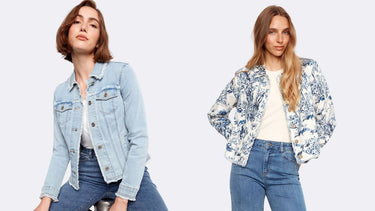
The denim jacket for women earns its place in the spring wardrobe through consistent, reliable performance across a temperature range that catches most other spring layers short.
Below 14°C, denim is the clearer choice. The cotton construction blocks wind and light dampness without the stiffness of a heavier coat, and the weight of the fabric retains body heat in a way that lighter linen does not match at that temperature. For women who commute, walk their kids to school, or spend meaningful time outdoors in the morning, the denim jacket is the functional answer for spring until the temperature consistently climbs above that threshold.
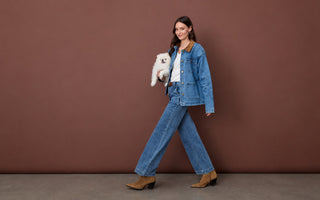
Its structured silhouette also does styling work that linen cannot. When the rest of the outfit is drapey or fluid, a denim jacket provides a visual anchor. Over a floral midi dress, it grounds the look and makes it daytime-ready. Over wide-leg pants and a tank, it provides the proportion contrast that gives the outfit definition at the shoulder without adding bulk elsewhere.
There is also the simplicity argument. A denim jacket works with roughly ninety percent of spring outfits without requiring any styling calculation. It is the jacket you reach for when you are not thinking about what you are reaching for, which is most mornings.
Spring Outfit Formulas for Your Denim Jacket
Over a midi or maxi dress: the structured denim layer adds visual weight at the shoulder and grounds a flowy silhouette that might otherwise feel unfinished. The length contrast between a cropped or hip-length jacket and a long dress creates a natural proportion moment.
With wide-leg linen pants and a tank: the contrast between cotton denim and linen is one of the better texture combinations in spring dressing. The structured jacket against the fluid pant reads as deliberately styled rather than accidentally assembled.
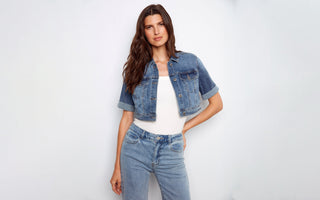
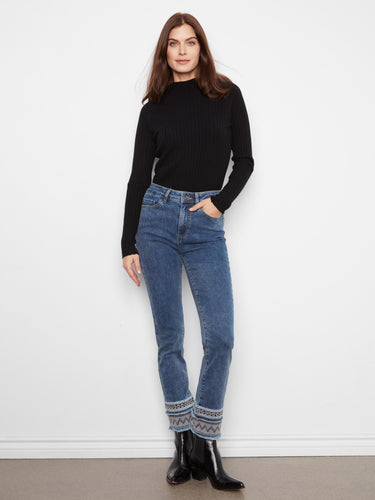
Denim on denim done correctly: a light-wash denim jacket over dark jeans, or a dark jacket over light jeans. Contrasting washes are the rule that makes this combination work. The same wash reads as accidental. Different washes read as intentional.
With a white linen blouse and straight-leg jeans: three clean pieces that require no styling effort. The denim jacket is doing the work of completing a basic combination that would otherwise feel unfinished.
What a Linen Jacket Does Best in Spring

The linen jacket for women becomes the right choice once the temperature reliably climbs late May through August with shoulder-season appearances in April and September.
At warmer temperatures, the breathable weave of linen is not just comfortable. It changes how the day feels. Denim starts to retain heat in a way that becomes noticeable after thirty minutes of movement. A linen jacket in the same conditions stays cool because the fabric releases heat rather than holding it. For women who run warm, this is the deciding variable across the entire spring season, not just the warmest weeks.
Linen also reads differently than denim at a glance. Where denim has a casual, utilitarian quality, a linen jacket sits closer to a blazer in terms of how dressed-up it appears. Over a simple outfit, it elevates. Over a more formal or printed piece, it anchors without flattening. This wider stylistic range is what makes linen the more useful jacket for occasions where the register needs to be smart casual or above.
The colour palette available in linen jackets also aligns more naturally with spring than traditional denim washes. Natural, ivory, sage, and soft earthy tones all complement spring palettes in a way that indigo and black denim do not attempt.
Spring Outfit Formulas for Your Linen Jacket
Linen jacket over linen pants: tonal monochromatic dressing that looks considered without any styling effort. The matching fabric creates cohesion, and the natural texture variation between a jacket and trouser weight linen provides just enough visual contrast.
Over a printed blouse with slim trousers: the linen jacket acts as a quiet, textural anchor to a busier print underneath. It calms the outfit without flattening it.
With denim jeans and a simple tee: the unexpected pairing that makes an outfit feel edited. Linen on top, denim below creates a texture contrast that registers as intentional rather than coincidental.
As a work-to-dinner layer: a linen jacket over a blouse reads polished enough to function as a blazer substitute in most casual business settings. It carries enough structure to look considered at a meeting and enough lightness to not feel overdressed at dinner.
Denim vs. Linen for Spring: A Practical Comparison
No competing article publishes a direct side-by-side comparison of these two spring jacket options for women, which means this is the section worth bookmarking.
Warmth. Denim works best below 57°F, while linen is ideal above 61°F. Between 57°F and 63°F, either can work depending on your plans for the day and how long you'll be outdoors.
Breathability. Linen wins clearly. Cotton denim breathes but retains heat over time. Linen releases it.
Structure and silhouette. Denim provides a more defined, structured shape and is better for visually balancing voluminous or flowing bottoms. Linen is softer, more relaxed, and creates a lighter, more draped shoulder.
Styling range. Denim handles casual through smart casual across almost every outfit combination. Linen extends more naturally into elevated casual and relaxed professional settings where denim risks looking too casual.
Care. Denim is lower maintenance: machine wash, no pressing required, holds its shape wash after wash. Linen wrinkles and may require light steaming after washing, particularly if packed or stored in a bag.
Colour range. Denim is anchored to wash variations: indigo, black, white, light wash. Linen offers a broader palette: natural, ivory, sand, sage, soft terracotta, navy. For spring specifically, linen's colour range aligns more naturally with the season's palette.
Wardrobe longevity across seasons. A denim jacket transitions through spring, summer, and fall with equal relevance. A linen jacket is strongest from May through August and becomes less practical as temperatures drop below 15°C.
Quick-reference morning rule. Check the forecast. Under 15°C, reach for the denim jacket. Over 16°C, reach for the linen jacket. When the forecast says both, pack the linen and wear the denim.
How to Choose Based on Your Spring Plans
This section answers the specific version of the question: not which jacket is better, but which one fits how you will actually move through your day.
The cool-morning commuter. Denim wins. The denim jacket provides enough warmth during outdoor exposure in the 8 to 14°C range and pairs naturally with the workwear bottoms you are likely already wearing. If you walk to transit, this is not a close call in April.
The weekend bruncher and errand runner. Linen wins for a 10am or later start when the temperature is already climbing and your plan involves moving between warm indoor and outdoor spaces. You will overheat in denim within an hour in a heated café.
The spring traveller. For early spring travel in April, denim is the more practical companion. For late spring travel in May and June, linen earns its place in the bag. If the trip spans both months, packing one of each is not excessive. The two jackets cover completely different temperature ranges and occasion registers.
The outdoor event and farmers market regular. Linen wins for sustained warmth in open outdoor settings where the midday sun is the dominant climate variable. Linen is also significantly lighter to carry when tied around the waist than denim, which matters after the first hour on your feet.
The work-from-office woman. A linen jacket reads professional. A denim jacket can work over a blouse in a casual office, but it requires intentional styling to pull off. Linen requires less effort to read as deliberate in a business setting.
The default, grab-and-go daily jacket. Denim wins as the unreflective daily workhorse. It is the jacket that works before you have had your coffee and have not yet decided how dressed you want to be.
The woman who runs warm. Linen is the clear answer across the entire spring season. The breathability difference is significant enough to be a decisive factor regardless of temperature or occasion.
The right jacket is the one that matches how you will actually move through your day, not the one with the better editorial case.
How We Approach Spring Layering at Charlie B

Charlie B designs from a spring reality, not a editorial approximation of it. The temperature swings that make spring layering complicated in Montreal and across most of North America are the same swings the jacket collection was built around.
The denim jacket collection at Charlie B is designed for early-spring durability: stretch cotton construction that layers easily over both slim and wide-leg bottoms without pulling at the shoulder or bunching at the waist. It is the jacket built to be worn in rotation from late February through May and then brought back out in September.
The linen jacket collection is designed for late-spring breathability: linen-blend construction with a relaxed silhouette that works over linen pants, jeans, and dresses with equal ease. It reads closer to a blazer than a casual jacket, which extends its occasion range in a way that pure casual outerwear does not.
Neither collection was designed for a single type of spring day. Both were built to be the jacket you reach for without thinking, across the different versions of spring that women actually experience.
Do You Actually Need Both? How to Rotate Them Through Spring
The either/or framing of this comparison is useful for a decision, but most women who think about it honestly will recognise that they have different spring needs at different points in the season.
Many women already own a denim jacket. The question is whether a linen jacket adds genuine new utility or simply duplicates what the denim already covers. The answer is that they cover different temperature ranges, different occasions, and different aesthetic registers. They are not competing for the same wardrobe slot.
A practical rotation guide for the spring calendar: April defaults to denim, when temperatures are still genuinely cold in the morning and unpredictable through the day. May puts both in rotation, switching by morning forecast. June defaults to linen, when the temperature floor is reliably warm enough that denim starts to feel like too much.
The capsule wardrobe case for both: two lightweight spring jackets for women that together cover every spring scenario is not excess. It is the kind of intentional dressing that removes a decision from your morning entirely.
For women buying their first dedicated spring jacket: start with the one that matches your most common spring scenario. Use the occasion guide above to identify which jacket you would have reached for most often this past spring, and start there. The second one will make sense once the first earns its place.
Frequently Asked Questions
Is a Denim Jacket Warm Enough for Spring Mornings?
Yes, within a specific range. A denim jacket provides reliable warmth for spring mornings from late March through May. It functions well as a mid-layer that handles both light wind and occasional spring rain without requiring anything heavier. Cotton denim's wind resistance is one of its underappreciated spring attributes: it is not waterproof, but it performs meaningfully better than linen in a breeze or a light drizzle.
What Is the Difference Between a Linen Jacket and a Denim Jacket?
The distinction runs from fabric to function to occasion. Denim is cotton-based, heavier, and structured, which gives it warmth, wind resistance, and a defined shoulder silhouette. Linen or linen-blend construction is lighter, breathable, and softer, which gives it comfort in warmer weather and an elevated casual appearance. In practical terms, denim is the casual workhorse for cooler spring days and more relaxed outfit combinations. Linen extends into smart casual and relaxed professional settings where denim's casual register would require more styling effort to read as appropriate. The two jackets are complementary rather than interchangeable.
What Fabric Should a Spring Jacket Be Made Of?
Lightweight cotton, linen, and cotton-linen blends are the strongest fabric choices for spring layering. They provide enough weight to block light wind while remaining breathable enough to wear through a day that warms significantly from morning to afternoon. Heavy polyester and synthetic insulations should be avoided in spring because they retain heat and do not breathe, which creates discomfort once the temperature rises. For early spring from March through April, cotton denim or cotton-canvas constructions offer the most protection. For late spring from May through June, linen and linen blends are the more comfortable and practical choice as temperatures stabilise.
How Do You Style a Linen Jacket in Spring Without Looking Too Casual?
The pairing logic matters more than the jacket itself. A linen jacket over baggy or unstructured bottoms risks reading as overly relaxed. Over fitted trousers, slim denim, or a structured midi skirt, the same jacket reads as intentional and polished. Keep the rest of the outfit edited: a linen jacket works best when it is the texture moment in an otherwise simple outfit, not competing with prints or layered accessories. A linen jacket over a blouse or a printed top reads particularly polished because the structured fabric of the jacket offsets the softness or busyness of the layer beneath it. Cropped linen jackets paired with high-waisted wide-leg pants create a proportion balance that is one of the most current spring silhouettes available.
Can You Wear a Denim Jacket with Linen Pants?
Yes, and it is one of the more versatile spring combinations available. The contrast between the structured cotton of a denim jacket and the relaxed, flowing quality of linen pants creates intentional texture contrast rather than a visual clash. The rule that makes it work consistently: choose a light-wash or mid-wash denim jacket with natural-toned linen pants for the most cohesive palette. Finish with a simple tee or tank and flat sandals or loafers. The mix of structured and relaxed reads as edited rather than mismatched, and it covers a range of spring occasions from weekend to smart casual without requiring a wardrobe change.